
Destination Guides
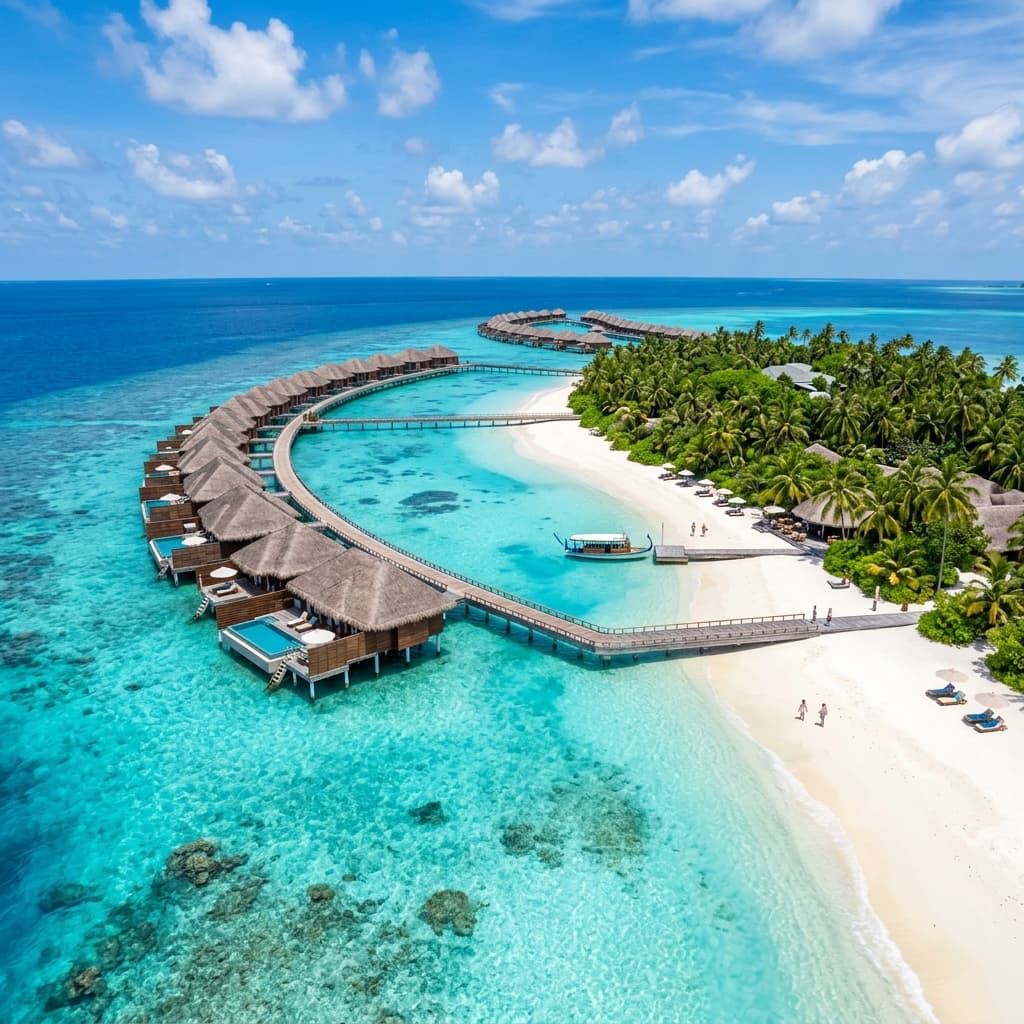
Maldives in 2025: Your Ultimate Paradise Guide
Everything you need to know before planning a calm Maldives escape.
May 20, 202510 min read
READ ARTICLE Seasonal breakdown to help you pick the best time to go.

Weather is arguably the single most important variable when planning an international vacation. It dictates what you can pack, what activities you can enjoy, and how comfortable you will be during your journey. While modern travelers have access to real-time weather forecasts, global weather systems operate on seasonal cycles that require careful, long-term research. Planning your trip around the ideal weather patterns of your destination ensures that your travel experiences are not disrupted by torrential rains, freezing temperatures, or oppressive heatwaves.
To help you navigate these seasonal complexities, it is helpful to look at global travel destinations through regional weather windows. By understanding the peak weather months, the shoulder seasons, and the monsoon periods of different parts of the world, you can make informed decisions that maximize your comfort and enjoyment. Whether you are dreaming of a European summer, a tropical Asian escape, or an adventure in the Americas, this seasonal guide will help you pick the perfect time to go.
“To travel at the perfect time is to witness nature at its most hospitable. Choose your dry seasons wisely.
Europe generally experiences a temperate climate with four distinct seasons. The peak travel season spans from June to August, offering warm, sunny weather that is perfect for beach holidays on the Mediterranean coast, sightseeing in historic capitals, and hiking in the Alps. However, mid-summer also brings high traveler volumes, long queues at major landmarks, and intense heat in southern regions like Rome, Seville, and Athens, where temperatures can regularly exceed forty degrees Celsius.
For a more comfortable and personal experience, experienced travelers often recommend the shoulder seasons: spring (April to May) and autumn (September to October). During these months, the weather remains pleasant, hotels are available at great value, and the crowds are significantly smaller. Autumn is a particularly magical time to visit, as the foliage turns vibrant red and gold, and local food festivals celebrating the harvest and wine vintage take place across the countryside.
In spring, you can catch the spectacular cherry blossoms in Bonn, Germany, or the rolling green valleys of Tuscany covered in wildflowers. In autumn, destinations like the southern coast of Portugal or the Greek Islands enjoy warm sea temperatures that remain perfect for swimming well into October. These shoulder-season trips offer a more relaxed, authentic experience where you can connect with locals and enjoy the scenery without the stress of peak-season crowds.
Unlike Europe's four-season cycle, Southeast Asia operates on a tropical monsoon system, which is broadly divided into the dry season and the wet (monsoon) season. The best time to visit countries like Thailand, Vietnam, Cambodia, and the Philippines is during the dry season, which runs from November to February. During these months, the weather is warm but comfortable, the skies are clear, and the humidity is at its lowest, making it the perfect window for temple touring and beach relaxation.
By March, the dry season transitions into the hot season, where temperatures soar and humidity levels rise. The wet monsoon season begins in May or June and lasts until October, bringing heavy, daily downpours. While these tropical showers are usually short and predictable, they can cause localized flooding and disrupt transport schedules in rural areas. However, visiting during the monsoon offers lush green landscapes, quiet temples, and exceptional value at luxury resorts.
It is important to remember that weather patterns in Southeast Asia can vary by island group. For example, while Thailand's west coast (Phuket, Krabi) is wet in September, the Gulf coast (Koh Samui, Koh Phangan) is relatively dry and enjoys pleasant weather during those exact weeks. Similarly, Indonesia operates on an opposite seasonal cycle: the dry season runs from May to September, making Bali and the Komodo Islands the perfect summer escape while the rest of Southeast Asia experiences the peak of the monsoon.
The sheer geographical size of the Americas means that weather patterns vary wildly from north to south. In North America, the best time to explore the national parks of the western United States or the coastal provinces of Canada is from June to September, when hiking trails are clear of snow and roads are fully accessible. In the southern states, winter (December to February) represents the best travel window, offering mild temperatures that are ideal for outdoor exploration.
In South America, weather is heavily influenced by elevation and proximity to the equator. For the Andean regions of Peru and Ecuador, the dry season runs from May to September, offering clear skies that are perfect for trekking the Inca Trail to Machu Picchu. Conversely, if you are planning to visit the Patagonia region in Chile and Argentina, the southern hemisphere summer (December to March) is the only viable window, as winter brings freezing temperatures and severe storm systems that close hiking routes.
In the Caribbean and Central America, the dry season spans from December to April, offering warm sunshine and pleasant breezes. From June to November, the region enters the Atlantic hurricane season, which can bring strong tropical storms and heavy rain. If you plan to travel during these months, choosing southern islands like Aruba, Bonaire, or Curacao, which lie outside the hurricane belt, ensures a warm and dry tropical vacation.
Oceania, including Australia, New Zealand, and the South Pacific islands, experiences opposite seasons to the northern hemisphere. The peak time to visit Australia and New Zealand is from December to February, when temperatures are warm, and locals and tourists alike flock to the beaches. New Zealand is particularly beautiful during these summer months, offering long daylight hours that are perfect for road trips and outdoor adventure.
For the tropical islands of Fiji, Bora Bora, and Tahiti, the dry season runs from May to October, offering cool breezes and low humidity. This window is also the best time to visit northern Australia to explore the Great Barrier Reef and the Outback, as the summer months bring extreme heat and tropical cyclone risks. By researching these regional cycles and planning ahead, you can ensure that your travel itinerary matches the weather patterns perfectly, giving you a smooth and beautiful journey.
Everything you need to know before planning a calm Maldives escape.

Smart planning tips to make a short city break feel smooth.
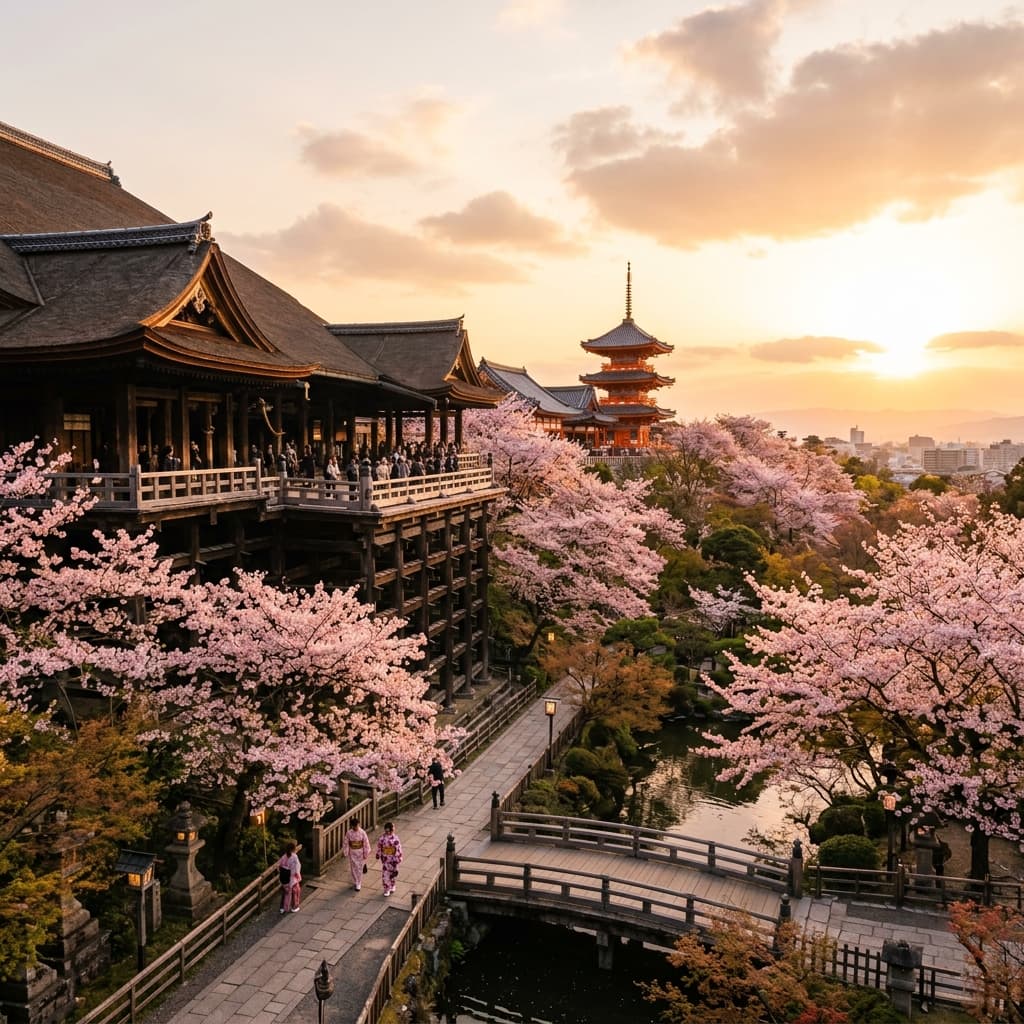
What to check before booking an international itinerary.
Subscribe to get expert travel tips, exclusive offers, and destination inspiration straight to your inbox.